Customers
University of Utah
Explore how the University of Utah’s Marriott Library used AppsAnywhere and LabStats to transform study spaces, improve software access and cut technology costs



Transforming the library into a vibrant learning space at the University of Utah
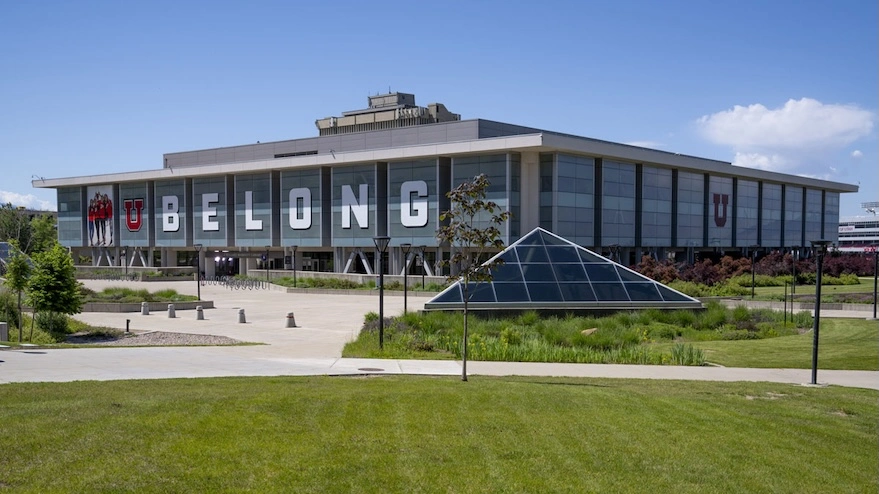
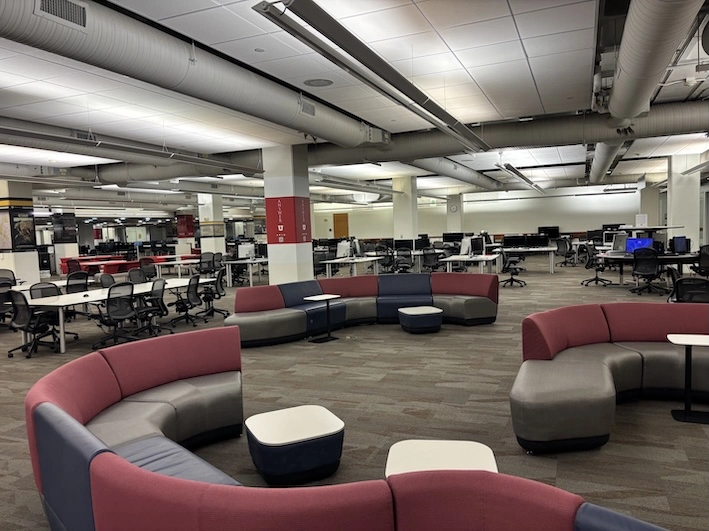
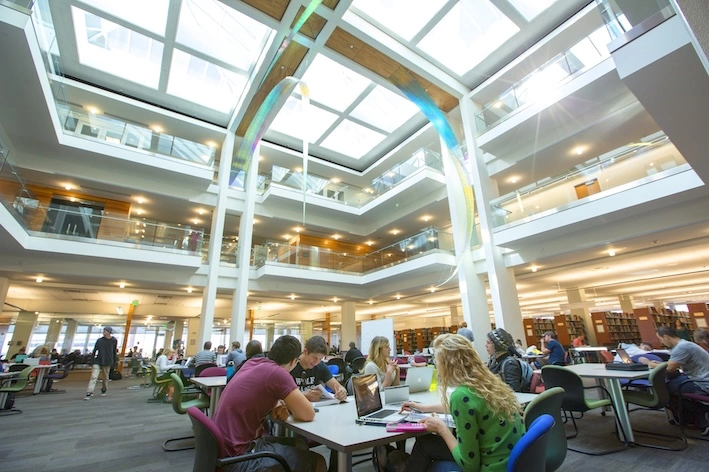
The library is the heart of the university at Utah, with the Marriott Library located in the center of the main campus. Its Knowledge Commons, a full floor computer lab and technology workspace welcomes 3,000-5,000 students daily. The space is now vibrant and jam-packed, following its transformation over the last few years to respond to students’ changing needs.
Matt Irsik, Head of CPS at Marriott Library, shares the transformation journey and its wider impact on IT provision at the University of Utah.
Matt Irsik leads a team of seven full-time staff supporting more than 2,000 devices, and estimates that 3,000–5,000 students visit the library’s computing and study spaces each day. LabStats gave the team evidence for decisions about that equipment, while AppsAnywhere helped it deliver software across the devices students were using.
The demand for group study space had been growing for years, alongside changes in how students completed their coursework. Instructors who once brought 45 students into a lab to learn Photoshop are now assigning exercises through Canvas, leaving students to complete them on their own schedule.
This move to online and hybrid learning led to reduced desktop usage, even in busy periods, with LabStats data demonstrating peak concurrency of 60-65%. This evidence enabled Matt and his team to remove around 200 unused workstations (keeping 150 out of the 353 computers) and replace them with laptops.
Started in 2013 with 6 laptops bought with some leftover budget, the laptop loan program now includes 1,350 laptops (down from 2,000 during COVID) and 200 iPads. The hub checks out cameras, graphic tablets, cables, chargers, adapters, voice recorders, and even calculators.
The library also invested approximately $70,000 in modular furniture and movable tables, creating more open spaces and group study rooms that accommodate as many as 12–15 students.
The laptops run academic applications through AppsAnywhere, allowing students to use the new study areas, and indeed the whole campus, for their coursework. It’s no surprise that the 60-day loan program is highly popular, with 100% of laptops being checked out most of the time.
That reach proved especially important during the pandemic, when the university shipped laptops to students across the country. AppsAnywhere enabled the team to continue delivering software and updates while the devices remained with students.
"AppsAnywhere is a very powerful part of our laptop program [...] it allowed us to offer software packages to students pretty much all over the country and push out updates without having to bring the systems in" Matt said.
Applications are delivered on demand, so the team can offer complex software without installing every package in full on every device. Students select an application, which starts and loads further components as needed, reducing the storage required for a large locally installed catalog.
Given the heavy footfall in the Knowledge Commons, Matt expected around 20-30 complaints per day, but in practice IT rarely gets any complaints or technical issues at all. The few tickets received are typically minor requests for specific application add-ons or plugins rather than support issues.
This low support footprint is credited to:
For a team of seven, managing 2,000 devices and hundreds of applications, the AppsAnywhere LabStats partnership adds another layer of support. The pre-packaged applications and the packaging subscription service help them save “days and days and days” of work, especially on heavy engineering packages like AutoCAD.
"Between the packaging service and seeing the lab stats, that has really transformed our services. Supporting 2,000+ systems with only 7 full-time staff, we rarely get any support complaints or tickets at all."
Within the library, LabStats data is helping the team match hardware specifications to students’ actual needs, in addition to the savings already realized through removing unused desktops. Rather than replacing expensive, high-performance computers costing around $3,000 each with similarly powerful models, the team can choose less expensive configurations where usage supports it. When LabStats reports showed that much of the everyday activity involved Office applications, browsers and tools such as Photoshop, the expense couldn’t be justified. This “good enough is good enough” approach will continue to guide future hardware replacements.
“LabStats is probably one of the most sobering programs you could ever look at ... it’s going to tell you the truth about what is really happening out there.”
Software renewals are also reviewed against demand. As part of his annual funding proposal, Matt evaluates around 200 titles, approximately 50–60 of which require funding. Nothing gets funded unless it gets used, especially as license costs keep rising.
The evidence used to reshape the library’s services is also informing technology funding across the university. Through the Learning Spaces–Student Computing Fee process, colleges, libraries and centers apply for student technology funding. Proposals are reviewed by an IT taskforce and the Teaching and Learning Portfolio before budget approval.
Applicants seeking funding for student computer labs must submit four LabStats reports: Usage History, Login Summary by Group, Unique Users and Peak Usage History. These show how existing computers are used, giving reviewers evidence to assess requests for more equipment and consider whether available capacity could meet the need.
Matt serves on the group reviewing proposals and has seen departments reconsider how they distribute computers across separate rooms. The reports help identify opportunities to consolidate underused equipment and direct funding towards more heavily used services. This reporting requirement applies specifically to departments requesting centrally managed student computing funds.
Software usage reports are not yet compulsory in the wider funding process outside the library service. Matt would like that requirement extended so that software license requests receive the same evidence-based assessment as computer labs.
With around 30 groups funding technology and software separately across campus, there are also opportunities to reduce duplicate purchasing and administration. Greater visibility is helping the university work more collaboratively to consolidate resources and avoid overpaying.
For example, the university saved an estimated $7,000–$10,000 a year by consolidating three applications three text analysis applications (NVivo, ATLAS.ti and MAXQDA) into one.
Matt would like to continue to grow the loan laptop program. He believes a fleet of 3,000–3,500 laptops (more than double the current number) would also be fully borrowed. Expanding the program would require funding for both the devices and the staff to maintain them, but he sees no shortage of demand.
A more consolidated approach to campus computing is also on Matt’s wish list for the future. Having used LabStats and AppsAnywhere with great success for many years now, he sees the potential a wider deployment could bring to the university, standardizing and elevating the student experience, reducing manual labor for staff and saving on hardware, software and lab spaces by matching IT provision to student demand.
Explore how AppsAnywhere and LabStats can help you improve software access, make better use of library space and plan investments around student demand.
The University of Utah’s Marriott Library used LabStats usage data to reduce desktop provision and reinvest in collaborative study spaces, while AppsAnywhere helped deliver academic software through a popular laptop loan programme. Together, the services have helped a small IT team support thousands of devices with virtually no complaints, reduce costs and guide technology investment around student demand.


Sign up to our newsletter.
AppsAnywhere is a global education technology solution provider that challenges the notion that application access, delivery, and management must be complex and costly. AppsAnywhere is the only platform to reduce the technical barriers associated with hybrid teaching and learning, BYOD, and complex software applications, and deliver a seamless digital end-user experience for students and staff. Used by over 3 million students across 300+ institutions in 22 countries, AppsAnywhere is uniquely designed for education and continues to innovate in partnership with the education community and the evolving needs and expectations of students and faculty.


Register your interest for a demo and see how AppsAnywhere can help your institution. Receive a free consultation of your existing education software strategy and technologies, an overview of AppsAnywhere's main features and how they benefit students, faculty and IT, and get insight into the AppsAnywhere journey and post launch partnership support.